May 26, 2026
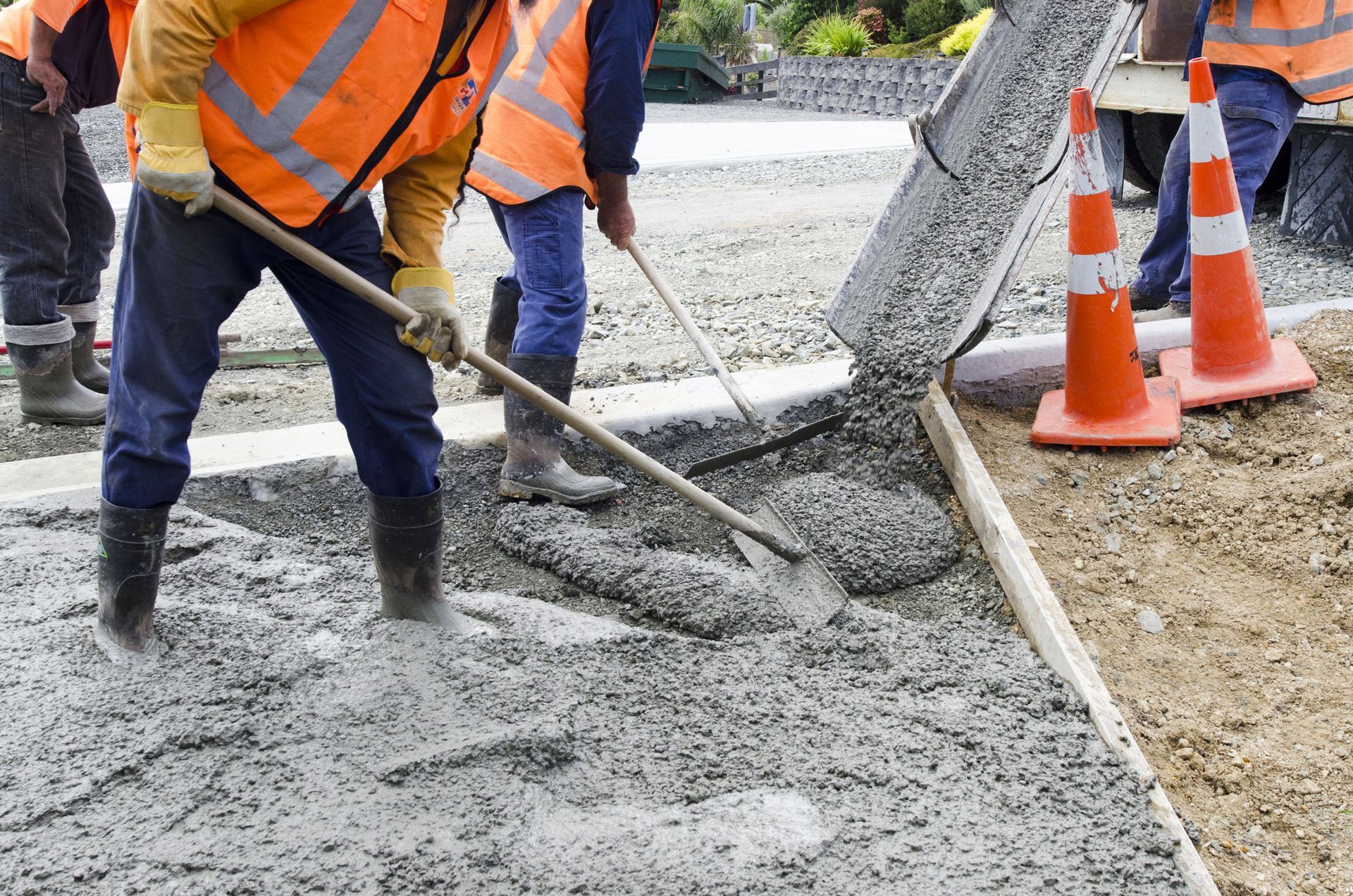
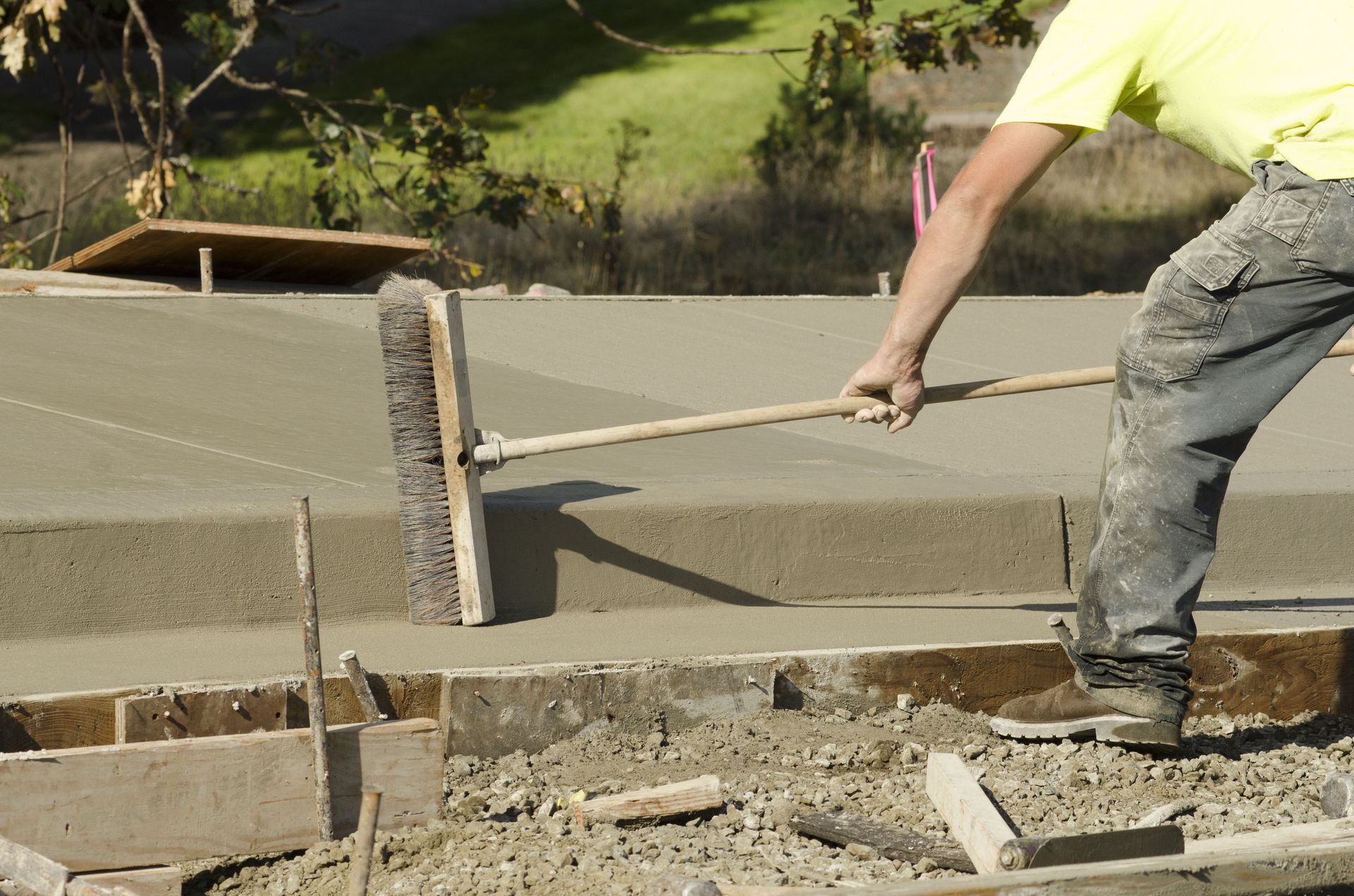
A successful concrete project begins long before the material arrives on-site. Whether the goal is a new driveway, patio, walkway, or commercial slab, proper preparation creates the foundation for lasting performance and visual appeal. Poor site preparation can lead to drainage concerns, uneven surfaces, cracking, and delays that affect the entire timeline of a project. That is why working with a local concrete contractor is such an important step for property owners who want dependable results.
Concrete installation requires careful coordination between planning, grading, excavation, and environmental considerations. Every site presents unique challenges based on soil conditions, surrounding structures, moisture exposure, and intended use. A professional contractor understands how to evaluate these conditions and prepare the area so the concrete pour proceeds smoothly and efficiently.
Preparation also helps reduce disruptions during construction. Organized staging areas, accessible work zones, and properly cleared surfaces make it easier for crews to complete the project with precision. When each stage is handled correctly, the finished concrete surface is more likely to maintain its appearance and durability over time.
The following tips explain how a local concrete contractor approaches site preparation and why each step contributes to a stronger, more reliable concrete installation.
Assessing Site Conditions
Before any work begins, a local concrete contractor carefully evaluates the project site. This assessment helps identify factors that may affect the installation process or the long-term performance of the concrete. Soil stability, drainage patterns, surrounding landscaping, and nearby structures all influence how the site should be prepared.
Soft or unstable ground can create movement beneath the concrete surface, increasing the likelihood of settling or cracking. Contractors inspect the area to determine whether grading adjustments or additional support materials are necessary before the pour takes place. Drainage is another critical consideration because standing water can weaken the foundation beneath the slab and create future maintenance concerns.
Accessibility also plays a role during the planning process. Contractors determine how equipment and materials will enter the property while minimizing disruption to nearby areas. A thorough site assessment helps streamline the project and reduces the chance of unexpected complications once construction begins.
Clearing Obstacles From the Work Area
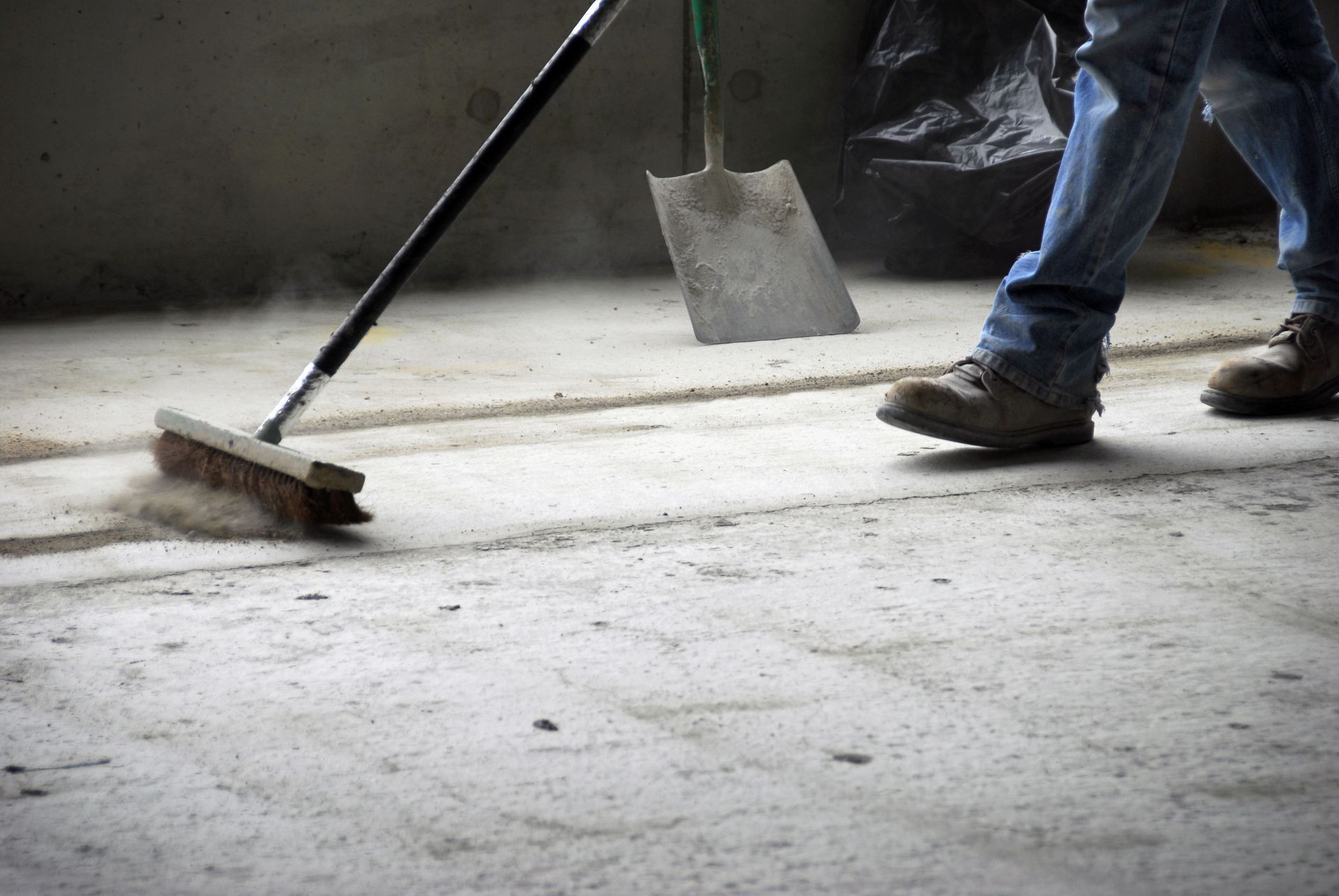
A clean and organized work area allows the installation process to move efficiently. Contractors remove vegetation, debris, old materials, and any obstructions that could interfere with excavation or pouring activities. Preparing the area in advance creates safer working conditions and helps ensure accurate grading.
Tree roots, buried materials, and uneven terrain can all create complications during a concrete project. Removing these obstacles helps establish a stable surface for the base layer beneath the slab. Contractors may also identify nearby structures, utility lines, or landscaping features that require protection throughout the installation process.
Property owners often underestimate how much preparation is involved before concrete placement begins. An experienced local concrete contractor understands how to coordinate this stage efficiently while preserving the surrounding property. Proper clearing also improves equipment access, allowing crews to work more effectively and maintain consistent project flow.
Establishing Proper Drainage
Drainage is one of the most important elements of successful site preparation. Without proper water management, even high-quality concrete surfaces can experience erosion, shifting, or premature wear over time. Contractors design the site to direct water away from the slab and surrounding structures.
Grading adjustments help create controlled water flow patterns that reduce pooling and moisture buildup. Slopes are carefully planned to encourage runoff while maintaining a visually appealing finished surface. Drainage planning becomes especially important for driveways, patios, sidewalks, and commercial spaces exposed to changing weather conditions.
According to Global Growth Insights, commercial applications account for about 61% of self-leveling concrete use, while residential projects represent roughly 35% of market adoption in 2024. This trend reflects the growing emphasis on achieving smooth, level surfaces across many different property types. Proper drainage preparation plays a major role in maintaining those surfaces and supporting long-term durability.
A local concrete contractor evaluates environmental conditions and develops a preparation strategy that supports both performance and longevity. Effective drainage planning helps protect the investment while reducing the likelihood of future repairs.
Compacting the Soil and Base Layer
Concrete relies on a stable foundation to perform properly. After excavation and grading are complete, contractors compact the soil to create a firm base capable of supporting the slab. This process reduces air pockets and minimizes movement beneath the concrete surface.
Compaction equipment applies pressure evenly across the area to strengthen the soil structure. Depending on site conditions, contractors may also install a base layer made from crushed stone or similar materials. This layer helps improve drainage while distributing weight more evenly beneath the concrete.
Improper compaction can lead to uneven settling, surface cracks, and structural instability. A local concrete contractor understands how different soil types respond to pressure and moisture, allowing the team to create a more dependable foundation before pouring begins.
This stage also helps support long-term durability in high-traffic areas. Whether the project involves residential walkways or commercial loading zones, stable base preparation contributes significantly to the overall lifespan of the concrete surface.
Coordinating Weather and Timing
Weather conditions can greatly influence the outcome of a concrete project. Temperature, moisture levels, and wind exposure all affect how concrete cures after placement. Experienced contractors monitor environmental conditions carefully to schedule the pour during favorable conditions whenever possible.
Excessive heat can cause concrete to dry too quickly, potentially affecting surface consistency and curing quality. Heavy rain may interfere with placement and finishing activities, while cold conditions can slow curing and impact strength development. Proper timing allows crews to maintain better control throughout the installation process.
A local concrete contractor also plans the project timeline around site readiness and crew coordination. Equipment availability, material delivery schedules, and curing requirements must all align to keep the project moving smoothly. Careful scheduling reduces delays and helps prevent rushed work that could compromise the finished result.
Professional planning becomes especially valuable for larger installations where timing directly affects productivity and surface consistency. By preparing the site in advance and monitoring weather conditions closely, contractors create a more controlled environment for the concrete pour.
Protecting Surrounding Property Areas
Concrete projects often take place near landscaping, driveways, buildings, fences, or outdoor living spaces. Protecting these nearby areas during preparation and installation helps maintain the appearance and functionality of the property throughout the project.
Contractors may use barriers, coverings, or designated pathways to minimize disruption caused by equipment and materials. Careful planning also helps reduce dust, debris, and accidental damage during excavation and pouring activities. This attention to detail contributes to a cleaner and more organized work environment.
Property protection extends beyond aesthetics. Contractors also account for nearby drainage systems, irrigation lines, and structural elements that could be affected during the preparation phase. A local concrete contractor understands how to work efficiently while preserving the integrity of surrounding features.
Clear communication with property owners also supports smoother project coordination. When expectations are established early, it becomes easier to manage access points, staging areas, and temporary disruptions during construction. Professional preparation helps create a positive experience from start to finish.
Concrete installation is a detailed process that depends heavily on proper preparation. From evaluating soil conditions to managing drainage and protecting surrounding property areas, each stage contributes to the strength and longevity of the finished surface. Careful planning helps reduce delays, improve structural stability, and create a smoother installation experience overall.
Working with a local concrete contractor provides valuable expertise throughout every phase of site preparation. Professional crews understand how to adapt to changing site conditions while maintaining efficiency and quality. By investing in proper preparation before the pour begins, property owners can enjoy concrete surfaces that perform reliably and maintain their appearance for years to come.
When your project requires dependable planning and professional installation, Metro Concrete Raising Inc is here to help. We take pride in preparing every site with care so we can deliver durable concrete solutions that support your property’s long-term value and functionality.