November 4, 2026
Choosing the right decorative concrete design can improve your home's curb appeal and create inviting outdoor spaces. From natural-looking textures to modern geometric patterns, today's options make it easier to customize patios, walkways, driveways, and pool decks. Understanding these trends helps homeowners discuss practical design choices with a professional and create surfaces that complement their property's architecture and landscaping.
Creating Natural-Looking Textures
Stone Patterns
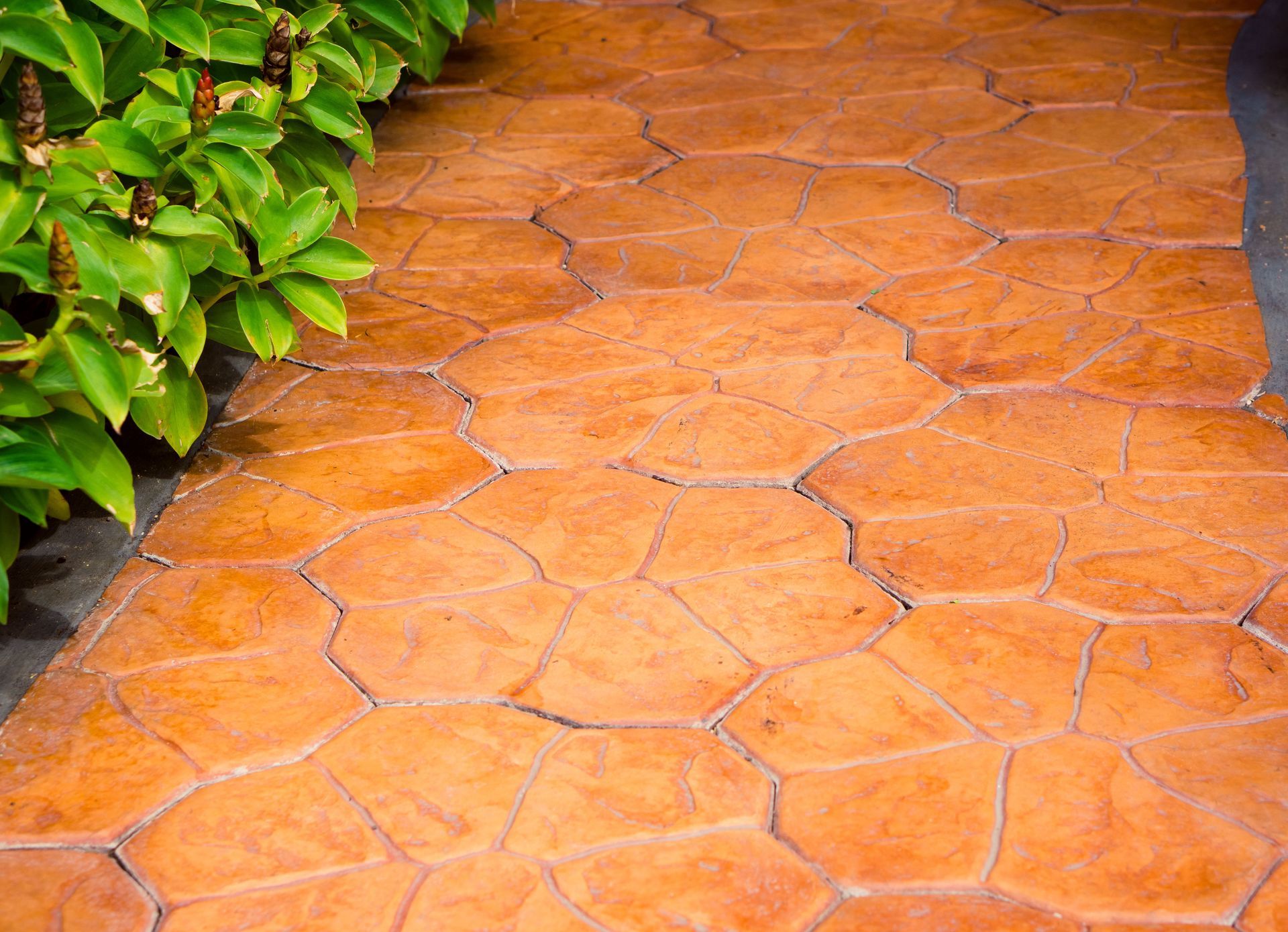
Stone-inspired patterns offer the elegance of natural stone without the expense of individual pavers. These designs can replicate slate, flagstone, and other materials, making them suitable for garden paths, patios, and outdoor gathering areas. Consider how the pattern will complement nearby brickwork, siding, and landscaping. A carefully selected texture creates a cohesive appearance while providing a durable surface for everyday use.
Brick Textures
Brick patterns bring traditional character to outdoor spaces and complement various architectural styles. They work well for courtyards, garden walkways, and entrances where a classic appearance is desirable. Compared with individual bricks, stamped concrete provides a continuous surface with fewer joints where weeds may grow. Discuss different brick layouts and colors with your contractor to find a design that suits your property.
Wood Grain Designs
Wood-inspired textures create the warmth of timber without the same concerns about rot, splintering, and insect damage. These finishes are popular for patios, poolside areas, and outdoor entertaining spaces. Modern stamping techniques reproduce wood grain, plank lines, and natural color variations. Ask your contractor about finishes that capture the desired appearance while providing appropriate traction and weather resistance.
Choosing Custom Color Techniques
Integral Color Mixing
Integral coloring adds pigment directly to the concrete mixture before placement. Because the color extends throughout the material, minor surface wear may be less noticeable than with a surface-only finish. Available shades range from warm earth tones to cool grays, allowing homeowners to coordinate outdoor surfaces with their home's exterior. Discuss how the selected color will look in sunlight and alongside existing materials.
Color Hardener Applications
Color hardeners are applied to fresh concrete to create a more intense finish and improve surface durability. They provide rich colors that emphasize decorative patterns in stamped concrete. This approach can benefit areas that receive frequent foot traffic, although proper application and curing remain essential. A contractor can explain whether a color hardener suits the intended surface and how it will interact with other coloring methods.
Stain and Dye Enhancements
Concrete stains and dyes offer additional ways to customize color. Stains can produce translucent, varied tones, while dyes generally create more uniform effects. These techniques may highlight pattern details or create a weathered stone appearance. Ask about color samples, UV exposure, and maintenance requirements to help ensure the finish meets your expectations.
Exploring Modern Pattern Designs
Geometric Patterns
Geometric designs bring a contemporary look to patios, walkways, and entryways. Repeating shapes, clean lines, and symmetrical layouts complement modern homes and minimalist landscaping. Smaller spaces may benefit from simpler designs, while larger surfaces can accommodate elaborate arrangements. Discuss how the pattern will align with architectural features and whether contrasting colors would improve its visual impact.
Custom Stencil Designs
Custom stencils allow homeowners to incorporate distinctive motifs, borders, or decorative details into a concrete surface. These designs can be subtle or elaborate, depending on the property's style. Stencils work particularly well for creating focal points near entrances or defining outdoor living areas. Review examples with your contractor and confirm that the design can be executed effectively on the planned surface.
Random Stone Layouts
Random stone patterns reproduce the irregular shapes and natural variation of traditional stone paving. Their organic appearance works well in gardens, outdoor seating areas, and paths that blend into surrounding landscaping. Different stamp sizes and color combinations can create a realistic finish. A professional can help select a layout that suits the space while maintaining a comfortable walking surface.
Adding Decorative Borders and Accents
Colored Border Techniques
Contrasting borders frame patios, define walkways, and separate outdoor areas. A darker border around a lighter pattern creates a clean appearance, while complementary colors offer a more understated effect. Consider the border's width and how it will interact with nearby landscaping. Thoughtful placement can make a simple surface look more customized.
Textured Edge Details
Textured edges add definition and visual interest to decorative concrete installations. They can distinguish a patio from a garden bed or create transitions between adjoining surfaces. Traction is also important, particularly on walkways and pool decks where moisture may be present. Ask your contractor which treatments balance appearance, accessibility, and practical use.
Accent Band Integration
Accent bands create visual breaks within larger concrete areas. They can frame a patio, emphasize a walkway, or separate driveway sections without requiring different paving materials. Contrasting colors, complementary textures, and simpler patterns can distinguish these bands from surrounding surfaces. Planning these details before installation helps the finished layout look intentional.
Designing Functional Outdoor Spaces
Patio and Deck Solutions
A well-designed patio extends the home's living area, providing a foundation for outdoor furniture, dining spaces, fire pits, and entertainment areas. Pattern and color choices for stamped concrete should account for furniture placement, drainage, sun exposure, and available space. According to This Old House, a stamped concrete walkway can last around 25 years with minimal repairs. Proper installation and routine maintenance help preserve decorative surfaces over time.
Pool Deck Customizations
Pool decks must balance appearance with comfort and safety. Textured finishes can improve traction, while lighter colors may reduce heat absorption compared with darker surfaces. The layout should accommodate drainage, access points, and seating areas. Discuss slip resistance, pool chemical exposure, and protective sealers with your contractor before choosing a finish for your stamped concrete pool deck.
Driveway Enhancements
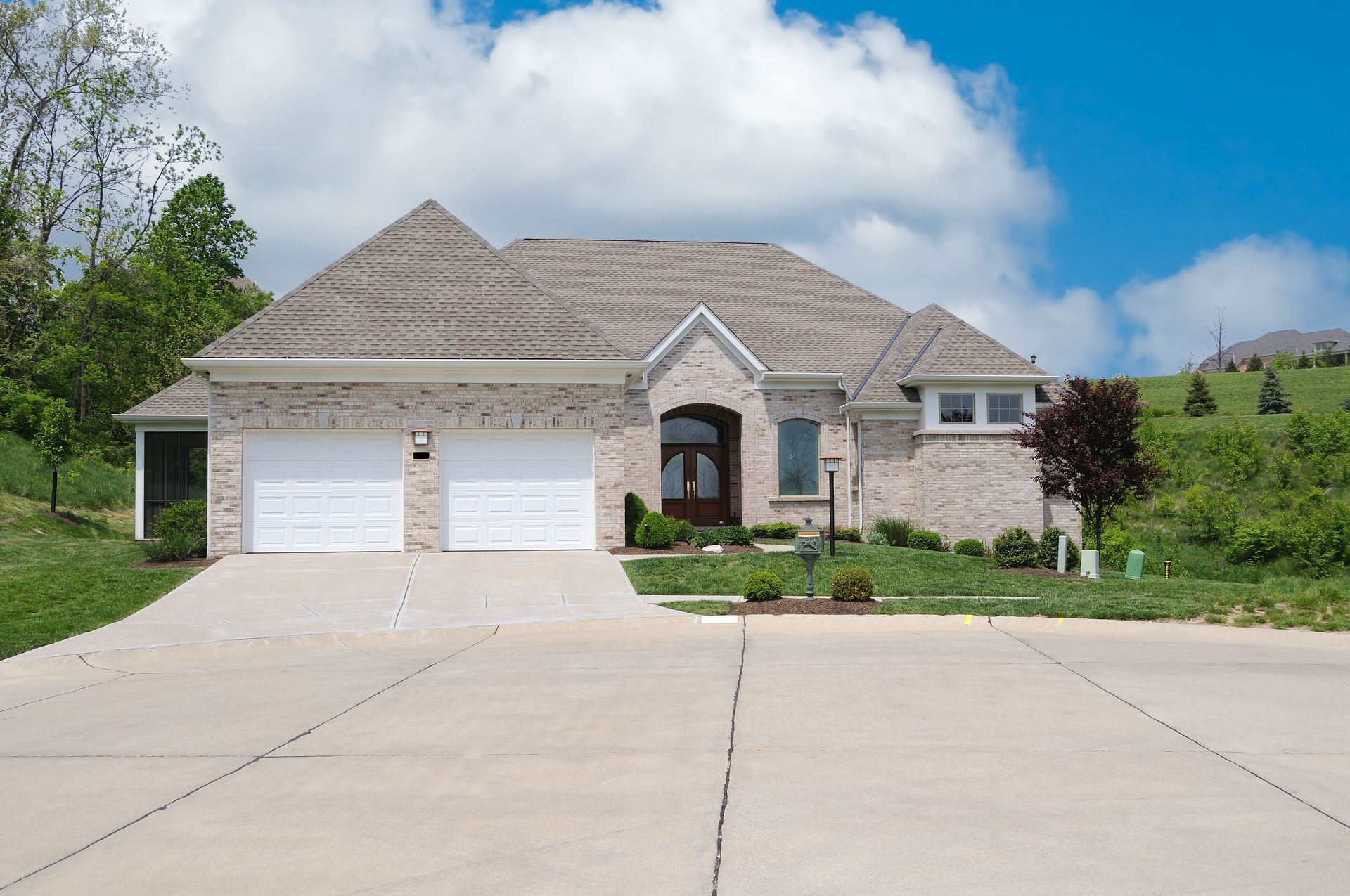
A decorative driveway creates a strong first impression while providing a surface designed for vehicle traffic. Stamped concrete patterns, contrasting borders, and complementary colors can elevate the entrance. Because driveways withstand repeated loading and changing weather, proper base preparation, concrete thickness, joint placement, and drainage are essential. A professional can recommend designs suitable for the site's conditions.
Considering Sustainable Design Options
Permeable Concrete Solutions
Permeable concrete allows water to pass through the surface into an underlying drainage layer, helping reduce runoff in suitable applications. It may benefit walkways and outdoor areas where stormwater management is a priority. However, not every decorative stamping system is compatible with permeable construction. Ask your contractor whether a suitable system meets your property's drainage requirements and design goals.
Reflective Coating Technologies
Reflective coatings can reduce solar heat absorption when the appropriate product is selected. They may improve comfort on patios and other exposed surfaces during hot weather. Performance depends on color, formulation, surface preparation, and environmental conditions. Discuss available options and confirm that the coating is compatible with the concrete and its intended use.
Recycled Material Options
Some concrete mixtures incorporate recycled aggregates or supplementary cementitious materials to reduce reliance on conventional raw materials. These alternatives may support sustainability goals when they meet performance requirements. Availability varies by mix design and local supply. A knowledgeable contractor can explain which options are practical without compromising durability or finish quality.
Planning Your Decorative Concrete Project
Successful decorative concrete projects begin with a clear understanding of the property's needs, desired appearance, and intended use. Consider traffic, drainage, maintenance, and surrounding architecture before choosing a stamped concrete pattern or color. Reviewing samples and discussing installation methods with a professional can help prevent mismatched expectations and unnecessary changes.
For guidance on design options and evaluating your concrete surfaces, contact Metro Concrete Raising. Its team can help you explore suitable choices and determine the next steps toward improving your outdoor spaces. With careful planning and professional guidance, you can create an attractive, functional surface that complements your home for years to come.